Showing 4 results
Veterinary X-Ray Tables and Radiography Table Models
Veterinary X-ray tables are professional clinical equipment designed to provide a suitable working surface during radiographic imaging procedures for cats, dogs and other animals. These tables make it easier to position animals correctly for imaging while helping veterinarians and clinical staff work in a more organized environment.
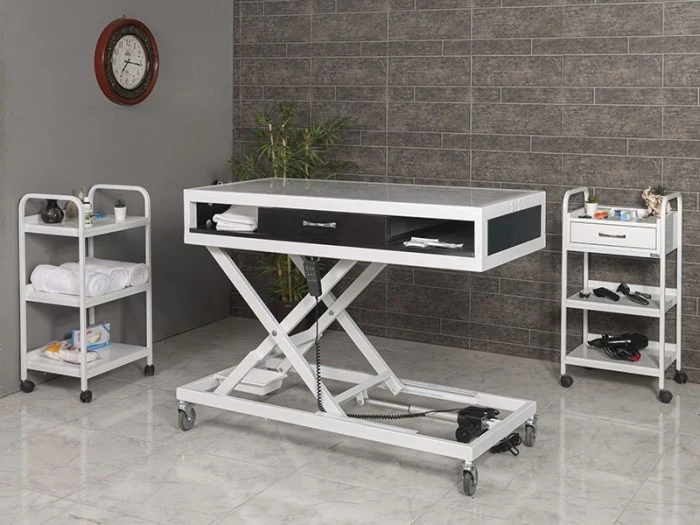
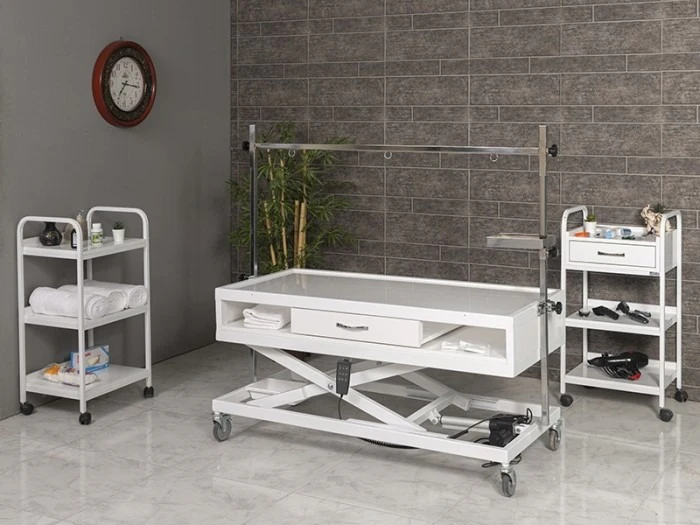
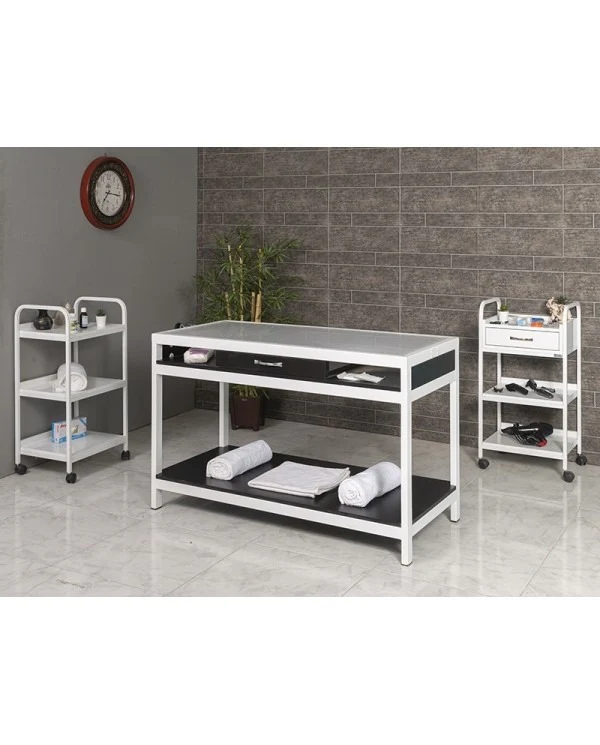
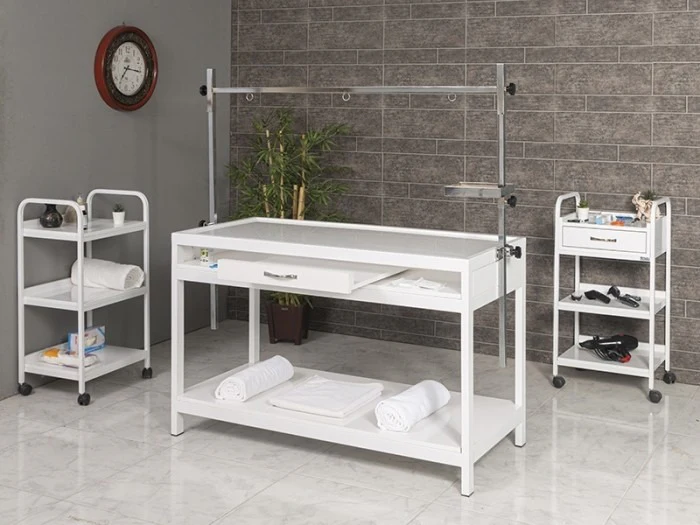
TrioCare veterinary X-ray tables offer different solutions for veterinary clinics, animal hospitals and diagnostic imaging departments. The product range includes fixed-leg veterinary radiography tables as well as motorized models with adjustable height systems. Radiolucent plexiglass tabletops and drawers designed for X-ray cassette placement help create a practical and efficient workflow during imaging procedures.
When selecting a veterinary X-ray table, the decision should not be based solely on appearance or price. Table dimensions, tabletop material, height adjustment system, cassette placement area, load capacity, ease of cleaning and available space in the imaging room should all be evaluated together. A radiography table that matches the clinic’s requirements can support a more efficient and well-organized daily workflow.
A veterinary X-ray table is a specialized examination surface used during radiographic imaging procedures. Also known as a veterinary radiography table, this equipment helps position the animal correctly, place the X-ray cassette beneath the required anatomical area and perform the imaging procedure within a controlled workspace.
Radiographic imaging may be used in a wide range of clinical situations where bones, joints and different anatomical structures need to be examined. A veterinary X-ray table provides the physical working area required for these procedures. It is not an imaging device by itself and must be used together with a veterinary X-ray system and compatible equipment.
Because the size, weight and anatomical area being examined can vary from one animal to another, tabletop dimensions are particularly important. A wide and level working surface can help accommodate different positioning requirements. A practical cassette drawer can also contribute to a more organized imaging process.
Veterinary X-ray tables are primarily used in veterinary clinics, animal hospitals and professional animal healthcare centers that provide radiographic imaging services. The size of the imaging room, the structure of the X-ray system and the daily number of procedures can directly influence the type of table required.
Fixed-leg veterinary X-ray tables may provide a suitable solution for small and medium-sized clinics. In busy veterinary hospitals where animals of different sizes are imaged throughout the day, motorized height-adjustable models may offer a more ergonomic working arrangement.
Veterinary radiography tables are not limited to imaging small companion animals. Provided that the dimensions and load capacity are suitable, they may also be used during imaging preparation for animals of different sizes. However, the technical specifications, operating limits and manufacturer instructions must always be considered.
Fixed-leg veterinary X-ray tables operate at a predetermined height and are designed to remain permanently positioned in the imaging room. They offer a simple, durable and functional solution for clinics that do not require an adjustable height mechanism.
One of the main advantages of these models is that they provide a ready-to-use working area without a complex movement system. Before selecting a fixed table, the working height should be evaluated to ensure that it suits the habits and ergonomic requirements of veterinarians and radiology technicians.
The intended installation area should be measured in advance. The position of the X-ray device, staff movement areas, electrical connections and other imaging equipment should all be considered. Leaving sufficient space around the table can make it easier to prepare and position animals during radiographic procedures.
When choosing a fixed veterinary radiography table, the tabletop dimensions, leg structure, frame stability and cassette drawer design should be reviewed carefully. For tables that will remain in one location, a balanced and durable frame is one of the most important selection criteria.
Motorized veterinary X-ray tables allow the working surface to be raised or lowered through an electric mechanism. Adjustable height can make it easier to place animals of different sizes on the table and help clinical staff maintain a more suitable working position during procedures.
Lowering the table may be especially useful when transferring heavy animals or animals with limited mobility. Once the animal has been positioned correctly, the table can be raised to the required working height for the imaging procedure.
When selecting an electric veterinary X-ray table, the minimum and maximum height values, motor system, control mechanism and load capacity should be examined. The location of the electrical connection should also be considered when planning the imaging room. Power cables should not obstruct walkways or interfere with the clinical workflow.
Motorized models can be a practical investment for veterinary clinics and animal hospitals that perform a high number of radiographic examinations. The ability to adjust the table according to the user and the size of the animal also allows different members of staff to work more comfortably.
The tabletop material of a veterinary X-ray table should be compatible with the imaging system. Radiolucent plexiglass surfaces allow the X-ray cassette or compatible detector to be positioned beneath the tabletop while supporting effective image acquisition.
The 10 mm plexiglass tabletops used in TrioCare veterinary X-ray table models provide a flat and functional working surface. Sufficient tabletop space can make it easier to position animals and image different anatomical regions.
Plexiglass surfaces should be cleaned regularly. Abrasive materials and strong chemicals that are not recommended by the manufacturer should be avoided, as they may scratch or damage the surface. The tabletop should also be inspected periodically for cracks, fractures or visible deformation.
The tabletop should be evaluated not only in terms of imaging performance but also for daily cleaning and maintenance. A smooth, easily accessible surface can reduce preparation time between procedures and contribute to a more organized diagnostic imaging environment.
A cassette drawer is the section that allows an X-ray cassette or compatible imaging component to be positioned beneath the tabletop. The drawer system helps align the cassette with the anatomical area that needs to be imaged.
A drawer that accommodates different cassette sizes can support a clinic’s various radiographic requirements. Smooth opening and closing, as well as stable positioning during imaging, are important for everyday use.
TrioCare models are available with white or black wooden drawer options, allowing clinics to choose a design that matches their existing equipment and interior layout. Although drawer color does not affect technical performance, it can contribute to a coordinated and professional appearance in the imaging room.
The cassette drawer should be inspected regularly. Dust, dirt or foreign materials should not be allowed to accumulate in the rails or moving components, as this may interfere with smooth operation. Keeping the drawer closed when it is not in use also helps maintain an orderly workspace.
Before purchasing a veterinary X-ray table, the clinic’s existing imaging system and operational requirements should be assessed carefully. Since every veterinary clinic has a different patient profile, workload and physical layout, a single table model may not be suitable for every facility.
The dimensions of the imaging room should be measured first. It is not enough for the table simply to fit into the room. There must also be adequate space for staff to work around the table and prepare animals safely.
The tabletop dimensions and load capacity should be appropriate for the average size of the animals treated at the clinic. Facilities that regularly work with large-breed dogs may require a wider working surface and a higher load capacity.
The choice between a fixed and motorized height system should depend on the daily number of procedures and the preferred working method. Fixed tables may be sufficient for low- or medium-volume imaging areas, while motorized models may be more practical in busy clinics where the height needs to be adjusted frequently.
Cassette drawer compatibility, tabletop material, ease of cleaning, frame stability and electrical requirements should also be examined before making a purchase. The technical dimensions listed on the product page should always be compared with the clinic’s actual requirements.
During veterinary imaging procedures, the working position of clinical staff is as important as the correct positioning of the animal. A table that is too high or too low may cause staff to bend, reach or work in an uncomfortable posture.
Veterinary X-ray tables with motorized height adjustment allow the working surface to be adapted according to the user and the size of the animal. When selecting a fixed-height model, the standard working level should be compatible with the clinic’s general workflow.
Keeping unnecessary equipment, cables and supplies away from the table helps create more space for movement. An organized imaging room can make preparation easier and allow daily procedures to be carried out more efficiently.
Animal positioning, restraint and radiation safety procedures should only be performed by trained personnel in accordance with the clinic’s established protocols, applicable safety procedures and the instructions provided with the imaging system.
The surface of a veterinary X-ray table should be cleaned after every use in accordance with the clinic’s cleaning and disinfection procedures. Cleaning products should be suitable for all relevant materials, including plexiglass, painted metal and wooden drawer components.
Abrasive sponges and hard materials that may scratch plexiglass tabletops should not be used. No liquid or chemical residue should remain on the surface after cleaning.
On motorized models, electrical cables, control units and movement mechanisms should be inspected regularly. Liquids must be kept away from electrical components. When damage or irregular operation is detected, the table should not be used until it has been evaluated by qualified technical personnel.
On fixed models, leg connections and frame stability should be checked periodically. Cassette drawer rails and connection components should also be inspected. Regular cleaning and maintenance can help preserve the service life of the veterinary X-ray table and support uninterrupted clinical operations.
Veterinary X-ray table prices may vary according to whether the model is fixed or motorized, the materials used, the tabletop specifications, cassette drawer design and height adjustment system. Electric height-adjustable models may fall within a different price range from fixed-leg tables because they include additional mechanical and electrical components.
A purchasing decision should not be based solely on price. The table’s suitability for the clinic’s daily workload, ease of use, cleanability and ability to meet long-term requirements should also be considered.
When comparing products, review the table dimensions, height range, tabletop thickness, drawer features and technical support options. Selecting a model with more features than necessary may increase costs, while choosing a table that does not meet the clinic’s needs may require another equipment investment in the future.
TrioCare veterinary X-ray tables provide different model options for professional animal healthcare facilities and diagnostic imaging departments. Fixed-leg and motorized height-adjustable alternatives allow clinics to choose a table according to their workload and ergonomic requirements.
The radiolucent 10 mm plexiglass tabletop, cassette-compatible drawer and white or black drawer options make it possible to select a veterinary radiography table that matches the clinic’s layout. Technical dimensions, height adjustment system, available working area and compatibility with the imaging equipment should all be evaluated together.
Explore TrioCare veterinary X-ray table models to identify the most suitable solution for your clinic’s infrastructure, daily imaging capacity and working practices. With the right table, you can create an organized, ergonomic and professional veterinary diagnostic imaging environment.